
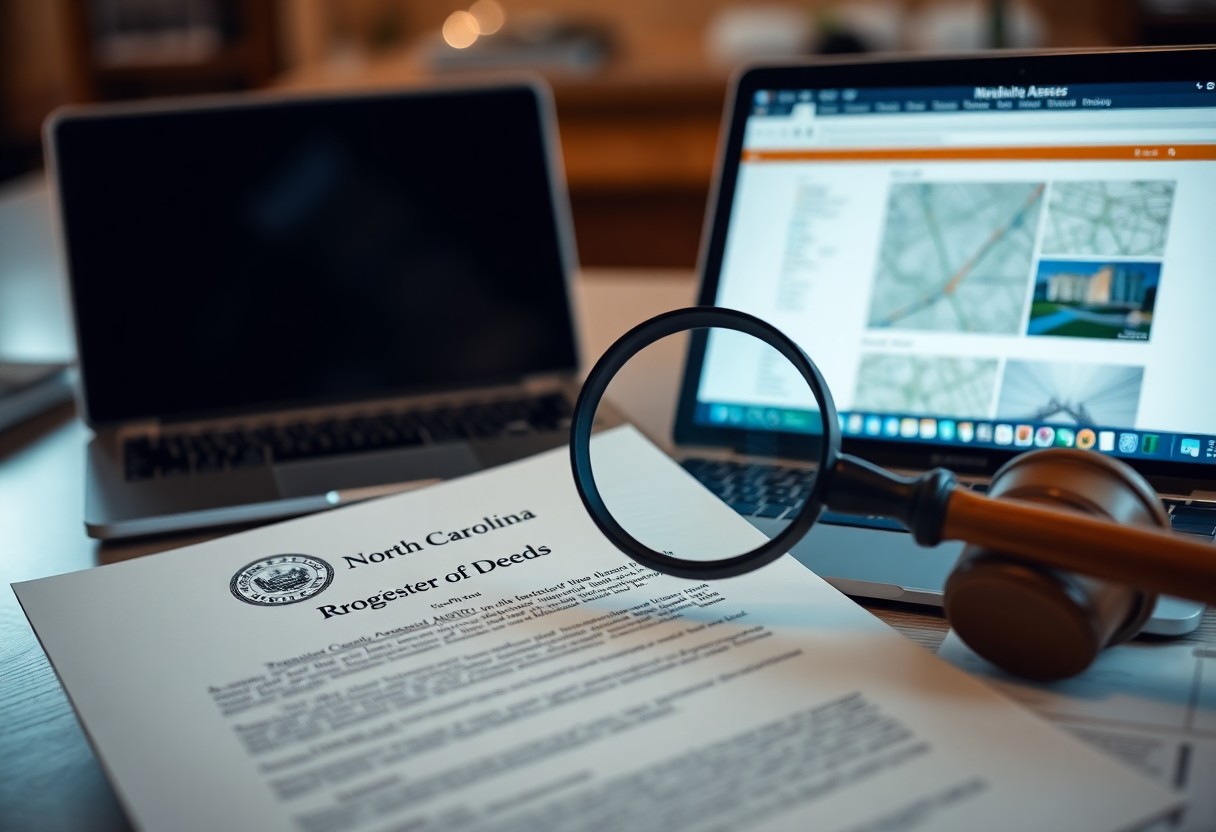
Most public records, GIS maps, register-of-deeds searches, tax assessor databases, and title reports show you who legally controls properties in North Carolina and reveal custodial chains.
The Role of the County Register of Deeds
County Register of Deeds maintains deeds, plats, and liens you can pull to verify ownership chains and recorded encumbrances; you use these official records to confirm who holds title and what claims affect a property.
Navigating Consolidated Real Property Indexes
Consolidated real property indexes let you search by owner name, parcel ID, or deed book to locate recordings quickly; you can trace transfers across years and identify associated documents that reveal true custodians.
Interpreting Grantor and Grantee Records
Grantor and grantee entries show who conveyed and who received property; you should read both names, dates, and references to deeds to understand chains of title and prevailing custodial claims.
Examining the actual deed references, consideration amounts, and any recorded easements or liens helps you distinguish nominal grantees from true custodians; cross-checking parcel numbers, probate records, and mortgage satisfactions reveals transfers that affect control beyond simple name matches.
Utilizing North Carolina GIS and Mapping Portals
Use North Carolina GIS portals to view parcels, ownership layers, and historical records; you can overlay deed data and easements to verify true custodianship and create printable maps for documentation.
Spatial Data and Parcel Identification Numbers
Parcel Identification Numbers (PINs) let you pinpoint exact lots, link GIS attributes to deeds, and track boundary changes across county updates for accurate custodian identification.
Cross-Referencing with County Tax Assessor Databases
County tax assessor databases allow you to confirm owner names, mailing addresses, tax status, and legal descriptions that corroborate GIS findings when identifying property custodians.
Linking assessor records with deeds, probate filings, and UCC liens lets you resolve name discrepancies, reveal trust or corporate custodians, and detect tax liens or exemptions that affect who truly controls the property.
Unmasking Corporate Entities and LLCs
State records and filings let you pierce corporate veils, revealing owner names, member lists, and formation dates that link properties to real people.
North Carolina Secretary of State Business Search
Search the North Carolina Secretary of State business database to view articles of organization, status, and registered agent details that point you toward entity owners or managerial contacts.
Tracing Registered Agents and Managing Members
Follow registered agent listings to identify names and addresses, then cross‑check filings and county property records to connect agents to managing members you can contact.
Often you’ll dig into annual reports, amendments, UCC filings, and court records to match agent names with officers or beneficial owners; check deed histories, mortgage assignments, business licenses, and professional filings, and use online searches, local clerk indexes, and paid databases to unearth patterns that tie an LLC to its true custodians.
Professional Property Intelligence Software
Professional property intelligence platforms consolidate ownership records, transaction histories, and linked-entity data so you can trace beneficial owners, spot shell entities, and prioritize investigative leads across North Carolina counties.
Commercial Data Aggregators and Skip Tracing
Aggregators compile public records, utility data, and private datasets so you can run skip-trace searches that reveal absentee owners, aliases, and contact links for focused outreach and valuation checks.
Title Search and Lien Verification Tools
Title search tools pull deed chains, mortgages, tax liens, and judgments so you can confirm legal ownership, detect encumbrances, and assess custodial responsibilities before closing or enforcement.
Searches of county registries and state filings let you cross-reference grantee/grantor names, recording dates, and instrument numbers; you can flag transfers among LLCs, quiet-title actions, or hidden liens that point to non-obvious custodians and refine your next investigative steps.
Judicial and Probate Record Investigation
Judicial filings and probate dockets reveal legal claims and estate actions that expose who controls property; you can trace liens, guardianships, and executor appointments to identify custodians across counties.
Superior Court Civil Filings and Foreclosures
Superior Court records show lawsuits and foreclosure schedules where you can find plaintiffs, trustees, and property receivers, helping pinpoint parties asserting custody or control over real estate.
Estate Records and Heirship Determination
Estate filings, wills, and intestacy proceedings list executors and heirs so you can confirm who inherits or manages property after death and identify legal custodians for title issues.
You should search probate indexes, estate inventories, letters testamentary, and heirship affidavits to verify executor authority, trace asset distributions, and detect claims affecting title; recorded probate orders often appear in county register of deeds entries tied to parcels.
Final Words
Conclusively you can identify true property custodians in North Carolina by combining county register of deeds records, tax assessor databases, recorded deeds and title searches, and Secretary of State business filings; using these sources together gives you clear, authoritative evidence of ownership and trustee relationships.