
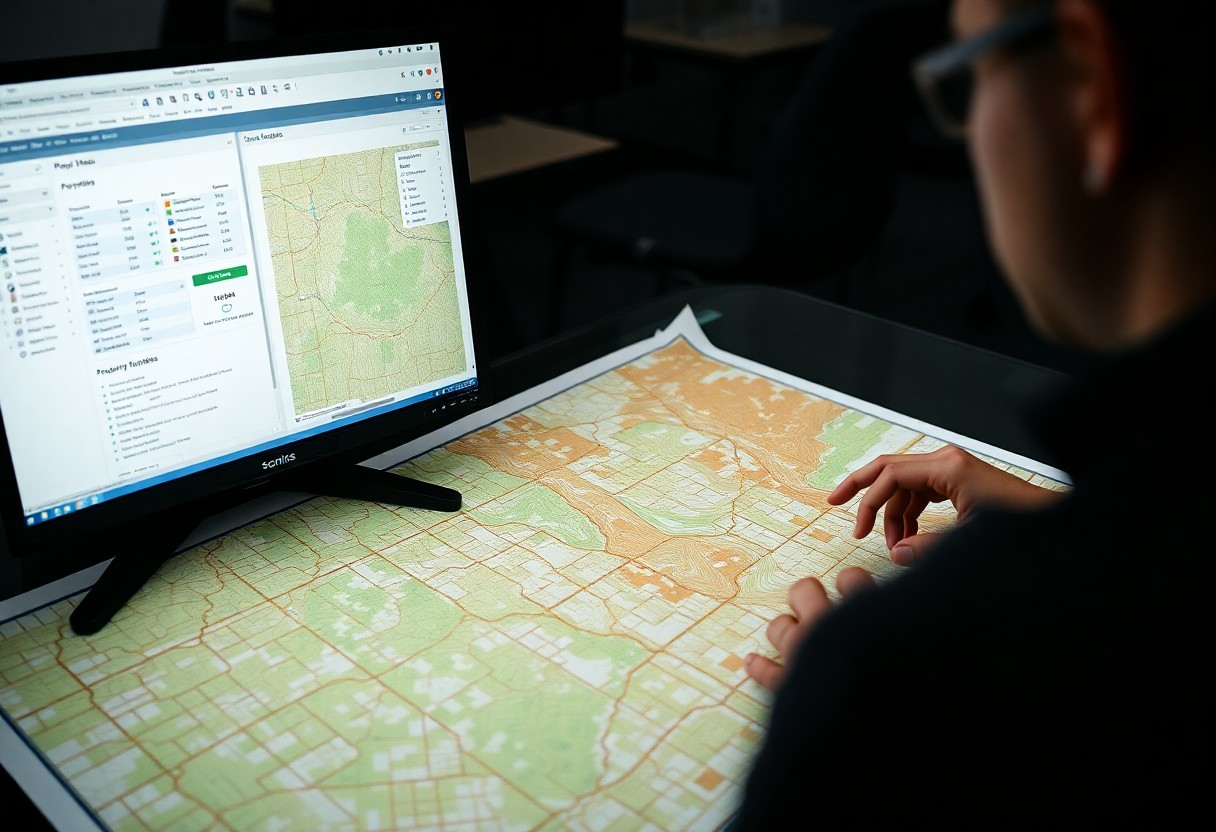
It’s crucial to understand how to effectively search for property lines and land records in Henderson County using Geographic Information System (GIS) tools. These powerful online resources can provide you with detailed maps and data, helping you make informed decisions regarding property ownership and management. By utilizing these tools, you can easily access valuable information about your property boundaries, zoning, and land use—all from the convenience of your home. Let’s explore how you can navigate these GIS resources to find the information you need.
Unearthing Land Ownership: A Deep Dive into GIS Tools
Discovering land ownership and boundaries has never been easier, thanks to Geographic Information System (GIS) tools. These advanced technologies enable you to visualize property lines and access vital land records seamlessly. Through GIS, you gain insights into your property and its surroundings, crucial for informed decision-making in real estate or property disputes.
What Are GIS Tools and How Do They Work?
GIS tools integrate hardware, software, and data to capture, analyze, and manage geographic information. They enable you to overlay various data layers, such as topography, zoning regulations, and ownership records, giving you a comprehensive view of your land and its features. This spatial intelligence can be accessed through user-friendly platforms, making complex data more digestible.
The Role of GIS in Navigating Property Lines
Using GIS technology can significantly enhance your property navigation experience. By inputting address details into GIS platforms, you can easily access information about neighboring parcels, visualize your exact property lines, and identify landmarks that define your boundaries. This capability is invaluable during property transactions, negotiations, or disputes, as it provides clear, visual proof of land ownership and limits.
GIS also dramatically improves your ability to resolve boundary-related issues by displaying related metadata, such as survey records or plat maps. With these tools, you can see precise locations of easements, encroachments, or zoning restrictions, giving you a detailed context to support your claims or plans. By enhancing visibility into your land’s specifics, GIS empowers you to make educated decisions that could save you time, money, and potential conflicts down the road.
Navigating Henderson County’s Land Records: A Step-by-Step Guide
| Step | Description |
| 1. Access GIS Portal | Visit the Henderson County GIS services page to find the tools you need. |
| 2. Search for Property | Use the property search function by entering the parcel number, owner name, or address. |
| 3. Analyze Maps | Explore different map views including aerial imagery and zoning overlays. |
| 4. Download Documents | Access downloadable land records and maps directly from the portal. |
Accessing Local GIS Platforms and Resources
You can access Henderson County’s GIS platforms through their official website dedicated to mapping and land records. Start by navigating to the county’s GIS services page, where several tools are at your disposal. Common resources include interactive maps, property data, and assessors’ records, ensuring comprehensive access to land information.
Interpreting Property Maps and Boundaries
Understanding property maps and boundaries is vital for navigating land ownership and local regulations. The GIS tools in Henderson County allow you to visualize property lines, calculate land area, and identify nearby zoning classifications. Familiarizing yourself with the color coding and symbols used in these maps can clarify property details, helping you grasp your land’s potential uses and any restrictions that may apply.
Focusing on property boundaries helps you identify not only the limits of your land but also any nearby features that may influence its usage, such as easements, waterways, or public infrastructure. For accuracy, always cross-reference your findings with local zoning ordinances or consult with a land surveyor to ensure you are interpreting the maps correctly. This thorough approach provides a solid groundwork for any development plans or legal inquiries regarding your property.
The Advantages of GIS in Property Research
Utilizing GIS technology greatly enhances your property research capabilities, streamlining the process through detailed mapping and data analysis. With GIS, you gain access to vital geographical information that can reveal zoning laws, land usage patterns, and environmental factors affecting specific parcels of land. These insights empower you to make informed decisions, whether you are buying, selling, or managing properties. The integration of various data sets allows for comprehensive evaluations, giving you a deeper understanding of the market landscape in Henderson County.
Enhancing Accuracy in Property Line Discoveries
GIS tools provide precision in determining property boundaries, minimizing the risk of disputes. By layering various data sources such as survey maps, court records, and satellite imagery, you can pinpoint exact parcel lines. This level of detail ensures that any property lines you consider are well-defined, helping you avoid potential conflicts with neighboring property owners and aiding in accurate land transactions.
Discovering Historical Land Records Through GIS
GIS allows you to access historical land records that can significantly enhance your understanding of property value and ownership trends. By examining older maps, property deeds, and changes in property lines over time, you can uncover insights into how a property’s value has evolved. This historical context enriches your research, providing answers to questions about previous ownership, land use changes, and compliance with zoning laws, all of which can inform your decisions moving forward.
Accessing historical land records through GIS opens a window to the past, allowing you to trace ownership back generations. You can investigate how external factors, such as economic shifts and urban development, influenced land use over time. For instance, discovering that a property was once part of a larger estate can reveal valuable context regarding its historical significance and potential future appreciation. Combining these insights with current data enhances your overall strategy for property investment or development in Henderson County.
Common Pitfalls: What to Avoid When Using GIS for Property Research
Researching property lines and land records using GIS tools can yield valuable insights, but several common pitfalls can lead you astray. Whether you’re a seasoned professional or a first-time buyer, steering clear of these missteps is paramount for successful navigation of the GIS landscape.
Misinterpreting Map Layers and Data
Each map layer in a GIS platform serves a specific purpose, yet misinterpretation can lead to misguided decisions. For instance, understanding zoning overlays requires familiarity with the regulations tied to each layer. Overlooking these specifics can result in substantial discrepancies, particularly if you are considering land use changes or building intentions.
Neglecting Updates and Local Regulations
Updates to GIS data and local regulations can occur frequently, sometimes even within the same year. Failing to check the currency of your data risks relying on outdated information, potentially leading to legal complications or unforeseen liabilities in your property transactions.
Local regulatory bodies often issue new ordinances, zoning laws, and property tax assessments that can significantly affect your research findings. For instance, a parcel that appears ideal for development may fall under newly implemented conservation regulations. Many counties, including Henderson, frequently update their land records and GIS data, so consult local government websites or offices for the latest information to ensure that your investment remains informed and compliant.
The Future of Property Research: Innovations in GIS Technology
Emerging developments in GIS technology are set to revolutionize property research, making it faster, more accurate, and user-friendly. As software continues to evolve, tools that once required significant expertise will become more accessible to everyday users. Real estate professionals and homeowners alike will leverage interactive mapping, 3D imaging, and real-time data updates, paving the way for informed decisions and efficient transactions.
Emerging Trends in GIS for Real Estate
Trends such as enhanced visualizations, mobile GIS applications, and cloud-based data access are reshaping how you approach real estate research. Increasingly, you’ll find platforms that allow for customizable map layers and real-time demographic data integration, greatly amplifying the value of property insights. These innovations will support smarter investment strategies and property management practices across the board.
Integrating AI and Machine Learning with GIS for Enhanced Insights
The integration of AI and machine learning with GIS is fostering a new era of data-driven decision-making in property research. You can harness these technologies to analyze predictive trends, assess property values, and evaluate market dynamics. This synergy enhances your ability to identify opportunities and risks more efficiently than traditional methods.
By employing machine learning algorithms, GIS can analyze vast datasets to uncover patterns that may not be immediately apparent. For example, predictive analytics can determine how specific property features correspond with value appreciation or depreciation over time. This means you can better inform your buying, selling, or investing strategies based on quantifiable metrics, leading to a higher likelihood of successful outcomes. Real estate firms increasingly rely on these combined technologies to stay competitive in a fast-paced market, ensuring you have the most current and actionable insights at your fingertips.
To wrap up
Ultimately, utilizing GIS tools to search Henderson County property lines and land records empowers you with valuable insights into your real estate decisions. By accessing detailed maps and land data, you can better understand the boundaries, ownership, and zoning of your property. By embracing these digital resources, you enhance your ability to make informed choices concerning land use and investment opportunities, ensuring a more efficient and effective approach to managing your property needs.